Small Bathroom Ideas: Space-Saving Design Tips
Inspiring small bathroom ideas and practical space-saving design tips for compact bathrooms.
Small bathrooms can be challenging, but with smart design you can create a space that feels larger and works better for daily routines. This guide covers practical small bathroom ideas that balance style and function, with pointers from experienced designers to help you plan, implement, and maintain a space you love.
Why small bathrooms require smart design
In tight bathrooms every inch counts. Fixed elements—like plumbing lines, water heat, and door openings—shape what you can add. The goal is to create a sense of openness while providing essential storage and comfort. Prioritizing vertical space, light, and flexible fixtures helps you avoid a cramped feel and maintain good airflow and ease of cleaning.
Color, lighting, and mirrors that open up the space
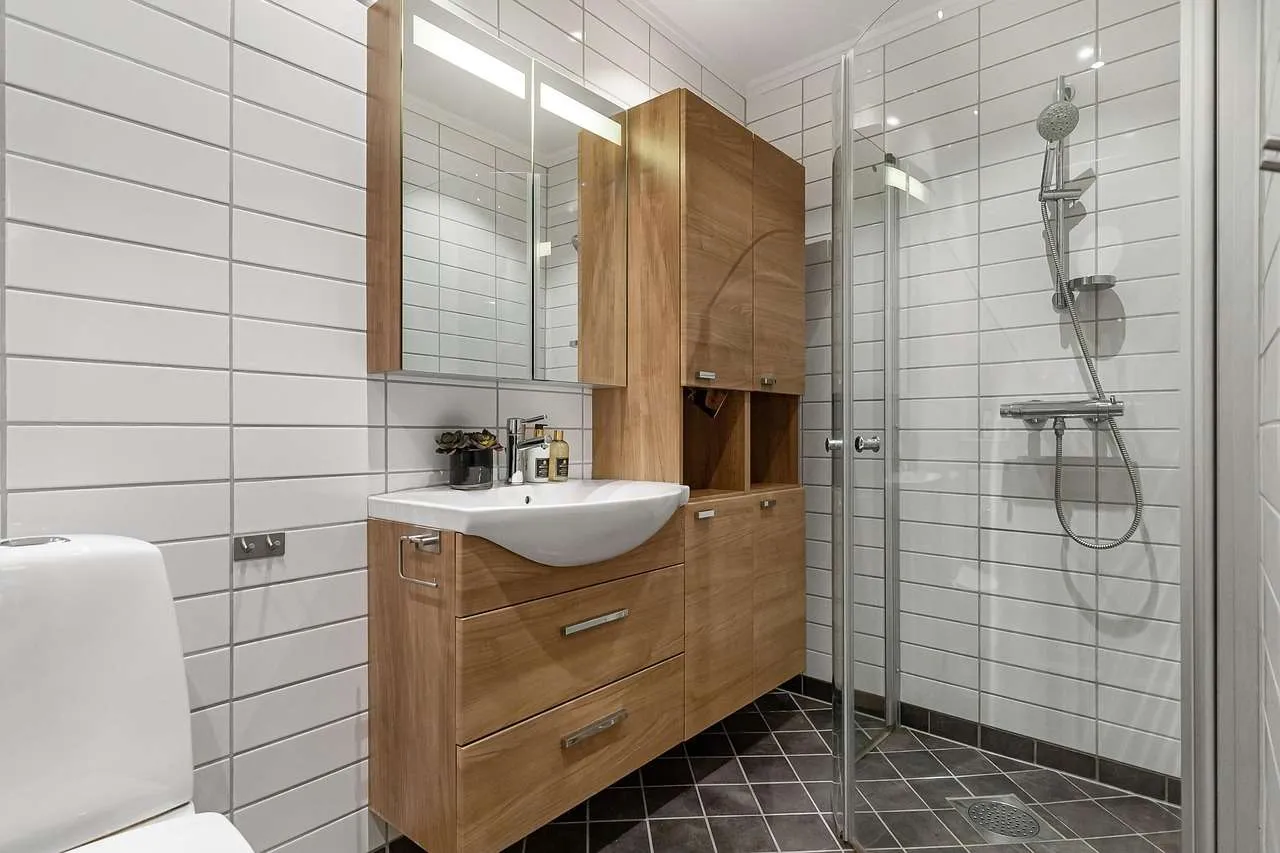
Choose light, neutral colors for walls and tiles to reflect more light. Glossy or semi-gloss finishes on walls and cabinetry enhance brightness. Large mirrors across from the entry door double as windows, visually expanding the room. Layer lighting—ambient, task, and accent—prevents dark corners and makes the space feel airy. Consider a recessed ceiling light and a wall mirror with integrated LED lighting for a subtle glow.
Mirrors and reflections
Maximize perception of space with a single oversized mirror or a mirrored wall. If budget allows, consider mirrored cabinet doors that provide storage and reflect light without adding bulk.
Layout and storage solutions
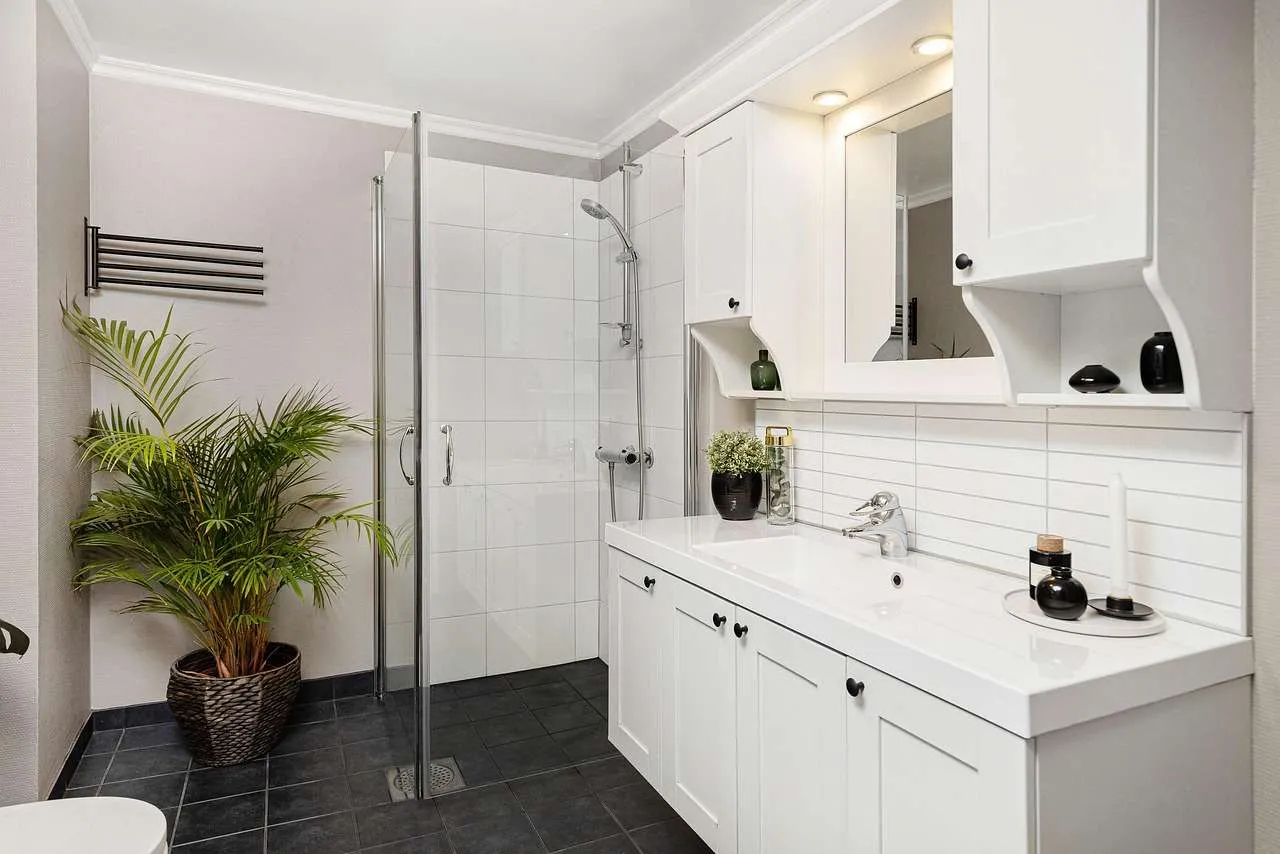
Smart layouts keep traffic flow clear and daily tasks efficient. A wall-mounted vanity and toilet frees floor space for easier cleaning. A corner shower or a glass enclosure visually expands the room, while recessed niches in the shower wall store shampoo and soap without taking up shelf space. Use tall, slim storage such as tall linen cabinets or wall-mounted cabinets, and install hooks or a towel bar high on the wall to keep surfaces clear.
- Floating or wall-hung vanity to reveal floor and create an airy feel
- Wall-mounted toilet to free under-vanity space and ease cleaning
- Recessed niches and medicine cabinet for essentials
- Shower niches and frameless glass to reduce visual bulk
- Pocket doors or barn doors when possible to save footprint
Materials and fixtures that maximize space
Choose compact fixtures that fit the space exactly. A shallow vanity with integrated drawers reduces clutter, while a slim freestanding tub or a compact shower stall saves length. Glass shower doors and light-colored, moisture-resistant tiles reflect light and resist scuffing. Use durable, water-resistant materials and avoid heavy, dark laminates that make rooms feel smaller. If plumbing allows, a pocket door is a strong investment for improving accessibility and space.
Budget-friendly ideas
Transform a small bathroom without a renovation budget by painting cabinets or walls in light tones, updating hardware, and installing peel-and-stick tiles in the shower niche or backsplash. Refinish the existing vanity with paint and new hardware. Use ready-made glass shelves instead of bulky cabinetry. When replacing fixtures, opt for compact, water-efficient models to reduce ongoing costs.
Comparison of design approaches
| Floating vanity | Pros: visually expands floor space; easy cleaning. Cons: can be costly and requires solid wall support. Best for: modern, minimal style and walls that support mounting. |
| Pocket door | Pros: saves doorway clearance; keeps open floor area. Cons: may require wall alterations. Best for: ultra-tight layouts and privacy. |
| Mirrors and light colors | Pros: increases perceived space; affordable. Cons: fingerprints show on glossy surfaces. Best for: any small bath needing brightness. |
| Glass enclosure | Pros: openness and easy cleaning. Cons: can be pricier; requires maintenance for leaks. Best for: improving brightness and perceived space in showers. |
Case study: before and after
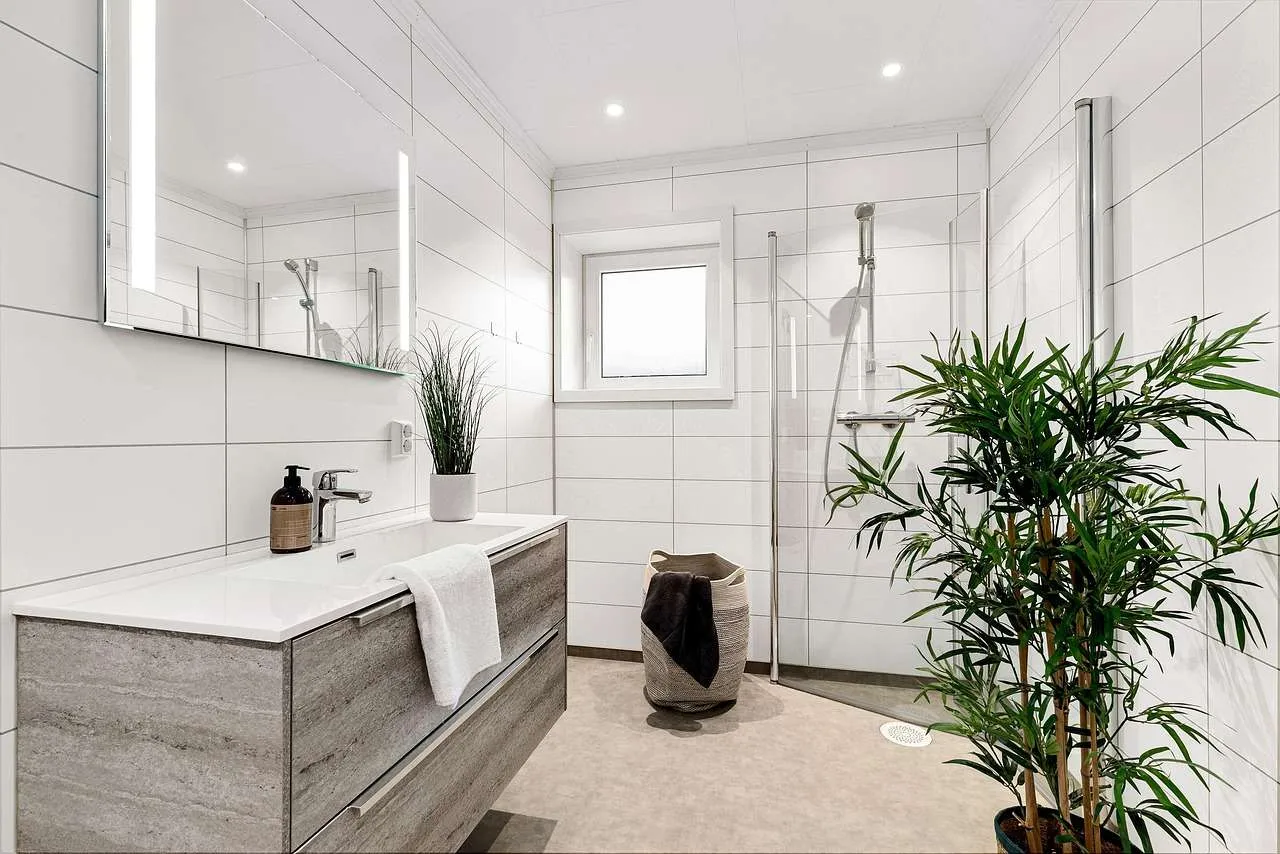
A 6x7 ft bathroom was redesigned with a wall hung toilet, a slim vanity, and a frameless shower. The space now reads as larger, with white walls, large rectangular tiles, and a single wide mirror. Storage moved to a tall cabinet beside the shower, and a pocket door replaced the swinging door, improving accessibility and flow.
Conclusion
In small bathrooms, design quality matters as much as price. Prioritize vertical storage, light colors, reflective surfaces, and compact fixtures. Plan for circulation, ensure sturdy mounting, and choose water efficient components. By combining these small bathroom ideas, you can create a space that feels open, functional, and stylish for daily use.
Summary: Through smart layout choices, light reflecting finishes, and efficient storage, small bathrooms gain perceived space and practicality. Adopt wall mounted fixtures, larger mirrors, recessed storage, and pocket doors where possible, and combine them with durable materials and proper lighting for lasting results.